Will Your Landlord Charge for a Hole in the Wall?
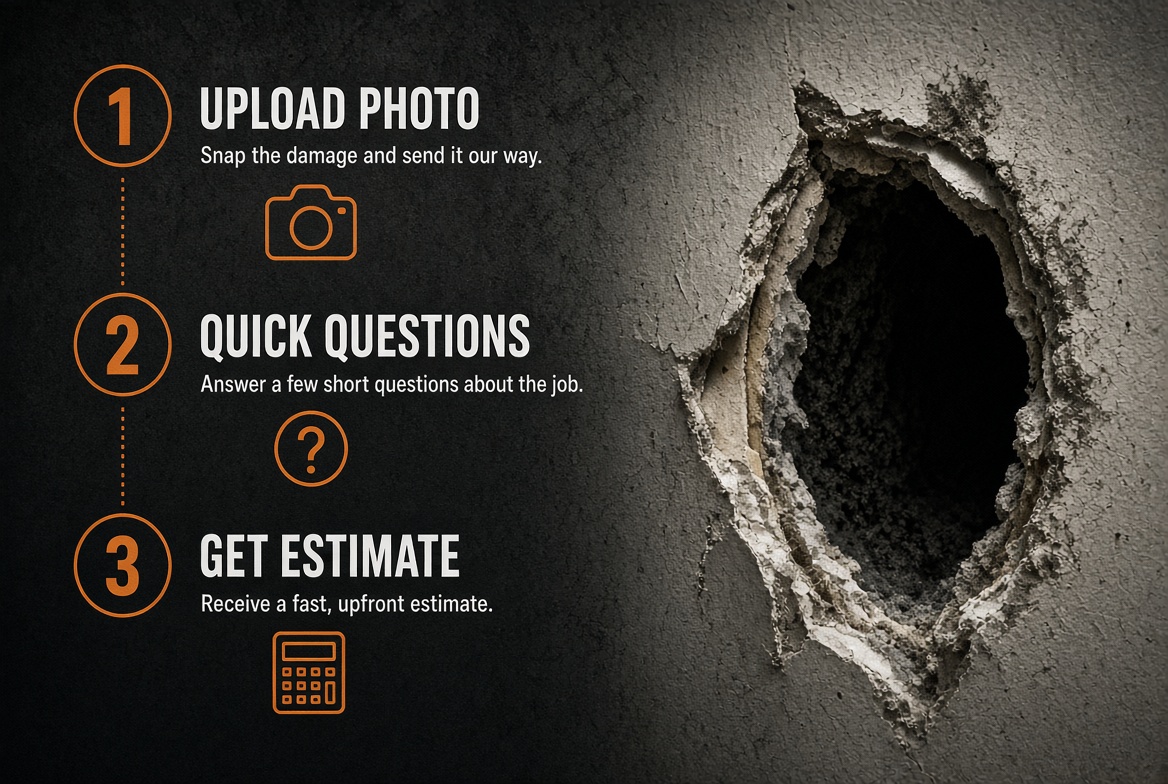
Moving out and staring at a hole in the wall? Whether your landlord can charge you for it mostly comes down to one question: is it normal wear and tear, or is it damage? A few small nail holes from hanging pictures usually count as wear and tear. A doorknob hole, a punched hole, or holes left by a TV mount usually count as damage, and the cost to repair them can come out of your security deposit. Here's how to tell the difference, what a deduction tends to look like, and when it pays to fix the hole before the walkthrough.
Landlord charges for wall holes: quick answer
- Small nail and tack holes are usually wear and tear. Nolo lists "a few small tack or nail holes in wall" as the landlord's responsibility.
- Large holes are usually damage. Nolo lists "large marks on or holes in wall" and "lots of picture holes or gouges in walls that require patching as well as repainting" as the tenant's responsibility.
- A hole you or a guest caused is your responsibility. Nolo notes that tenants are responsible for damage that happens while they live there, even if a guest caused it.
- Deductions should be itemized. In most states, the landlord has to return the deposit or send an itemized list of deductions within a set deadline, which Nolo says usually falls between 14 and 30 days.
- Fixing it first can cost less. Angi puts a professional small-hole repair at $20 to $120. A landlord's deduction may also include painting, a minimum trip charge, or their contractor's rates.
This guide is general information, not legal advice. Security deposit rules vary by state and by lease, so check both before you decide.
Wear and tear vs damage: where wall holes fall
"Normal wear and tear" means the deterioration that happens from living in a place normally over time. Landlords generally can't charge your deposit for it. Damage is anything beyond that, and they generally can.
Usually considered normal wear and tear:
- A few small nail or tack holes from hanging pictures
- Minor marks or nicks in the wall
- A dent where a door handle bumped the wall, which Nolo lists as wear and tear when it's only a dent and not a hole
Usually considered damage:
- A hole where a doorknob went through the wall
- A punched or kicked hole
- Large holes from TV mounts or heavy shelving, which Nolo calls out by name
- Holes left behind by large anchors or plugs, which LawDepot lists among common deductions
- So many picture holes that the wall needs patching and repainting
LawDepot puts it plainly: punching a hole in a wall doesn't count as reasonable wear and tear. A HUD-based checklist shared by NARPM.pdf), a property managers' association, draws the same line, with nail and pin holes on the wear-and-tear side and "gaping holes in walls" on the damage side.
How long you lived there matters too. Nolo notes that the longer a tenant stays, the more wear and tear a landlord has to expect. It doesn't turn a fist-sized hole into wear and tear, though.
What a landlord can charge for a hole
A landlord can generally deduct the reasonable cost of the repair needed to bring the wall back to its move-in condition. In practice, that charge can include:
- The patch itself. Cutting, backing, filling, and sanding the hole.
- Paint. A patch has to be primed and painted. If the paint doesn't blend, the landlord may repaint the whole wall.
- Trip and minimum charges. Angi notes that most contractors charge a minimum trip fee, so one small hole can cost more than the work alone suggests.
- Their contractor's rates. You don't usually get to pick who does the repair once you've moved out.
For a sense of scale, Angi's drywall repair cost guide lists:
- Small holes (up to 4 inches): $20 to $120, or up to $300 for several at once
- Large holes (5 inches or more): $50 to $200
- Handyperson labor: about $60 per hour
- Interior painting: $2 to $6 per square foot
Those repair figures don't include repainting or retexturing, which can add to what shows up on a deduction list. Our drywall hole repair cost guide breaks down pricing by hole size in more detail.
Should you fix the hole before you move out?
Often, yes, as long as the repair is done well. A clean, painted patch that matches the wall gives the landlord nothing to deduct for. A bad patch can backfire, because a lumpy or mismatched repair still needs to be redone and painted.
Fixing it yourself makes sense when:
- The hole is small and the wall is smooth
- You have the original paint color or can match it
- You have enough time for the compound to dry between coats, then sand, prime, and paint
Hiring a pro makes sense when:
- The hole is bigger than a doorknob, or there are several holes
- The wall is textured or the paint is hard to match
- Your walkthrough is in a day or two and you don't have time for multiple dry cycles
Our step-by-step guides cover the most common rental holes: doorknob holes, punch holes, TV mount holes, and large holes.
Before you start, read your lease. Some leases say how repairs must be handled or require the landlord's permission for any work, and LawDepot notes that when the law and the lease conflict, the law wins.
How to protect your deposit
- Find your move-in checklist and photos. Nolo recommends a checklist with dated photos at move-in and move-out. If a hole was there when you moved in, that's your proof.
- Walk every room and list every hole. Check behind doors, around TV and shelf spots, and inside closets.
- Decide what to fix. Leave small nail holes if they're clearly wear and tear, and fix anything that's clearly damage.
- Bundle the repairs. If you hire a pro, have every hole done in one visit. Angi notes that grouping small jobs is one of the easiest ways to save, because of minimum charges.
- Photograph the finished walls. Take dated photos of each repaired spot after the paint dries.
- Keep receipts. If a deduction shows up anyway, receipts and photos help you dispute it.
- Give your forwarding address in writing. Nolo notes that in some states the landlord doesn't have to send your refund or itemized list until you do.
Getting it done before the walkthrough
Time is usually the real problem at move-out. Joint compound has to dry between coats, so a DIY patch often stretches over more than one day. Our repair time guide explains why.
WhatAHole techs dry each coat with a heat gun, so the compound doesn't sit overnight between layers, and about 90% of hole repairs are finished in one visit. If you're short on time, send a photo of your hole to WhatAHole and see a price before your walkthrough.
FAQ
Can a landlord charge for nail holes in the wall?
Usually not for a few small ones. Nolo lists a few small tack or nail holes as normal wear and tear. A large number of holes that need patching and repainting can be treated as damage, and your lease or state law may set its own rules.
Is a hole in the wall normal wear and tear?
A small nail or tack hole usually is. Doorknob holes, punched holes, and large holes from TV mounts or heavy shelving usually aren't. They're treated as damage that can come out of your security deposit.
How much will my landlord charge for a hole in the wall?
It varies with the size of the hole, painting, and the contractor the landlord uses. For reference, Angi lists professional small-hole repair at $20 to $120 and large-hole repair at $50 to $200, not counting repainting. A landlord's deduction should be itemized so you can see what you're being charged for.
Is it cheaper to fix a hole in the wall myself before moving out?
Often, if you can make the patch invisible. A good DIY repair can cost less than a deduction that includes painting and minimum charges. A visible or uneven patch may still get charged, so for larger holes or tight deadlines a pro repair can be the safer choice.
Can my landlord charge me for a hole a guest made?
Generally, yes. Nolo notes that tenants are responsible for damage that happens while they live in the rental, even if a guest caused it.
Can a wall hole be fixed in one visit before move-out?
Usually. WhatAHole techs heat-dry each coat of compound instead of waiting overnight, and about 90% of hole repairs are finished in one visit.
Sources
Wear-and-tear and deposit information comes from Nolo, Nolo's security deposit guide, LawDepot, and a NARPM handout based on HUD guidance.pdf). Repair prices come from Angi. Rules vary by state and lease, and this article isn't legal advice.